Comment relever les défis liés à ÉCONOMIE CIRCULAIRE ?
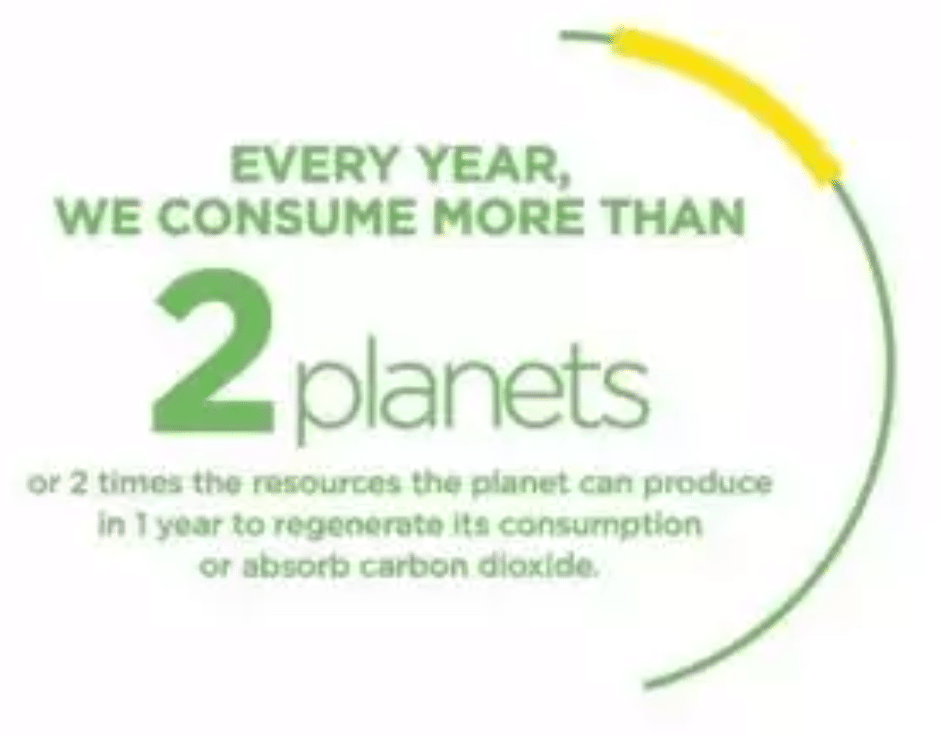
L'économie circulaire consiste à préserver et régénérer les ressources en réduisant les déchets grâce à des boucles vertueuses. La date du « Earth Overshoot Day », qui marque le moment de l'année où l'humanité épuise les ressources écologiques annuelles de la planète, se dégrade chaque année. Une économie circulaire permettrait une bien meilleure gestion de nos ressources et aurait également des retombées positives sur les impacts environnementaux et sociaux de nos modes de consommation.
REFUS DE PRODUITS
Les gouvernements ont la possibilité d'adopter des lois contre les matériaux à usage unique ou de mettre en place des systèmes de consigne. Les entreprises peuvent supprimer les incitations linéaires et fixer des objectifs et des mesures incitatives en faveur des pratiques circulaires, en particulier pour les articles à fort impact tels que les vêtements ou les appareils électroniques.
Les consommateurs ont le pouvoir de dire non, le choix d'arrêter d'acheter ou d'utiliser certains produits, d'éviter les articles à usage unique ou les emballages inutiles, en préférant la consommation en vrac.
Le saviez-vous ?
En 2021, l'Union européenne a généré 10,7 kg de déchets d'emballages par habitant, soit 10,8 kg de plus par personne qu'en 2020.
Le saviez-vous ?
La durée moyenne d'utilisation d'une perceuse sur toute sa durée de vie est de 10 minutes.
Le saviez-vous ?
Les trois quarts de l'impact environnemental des smartphones sont liés à leur fabrication.
Le saviez-vous ?
Le recyclage de l'aluminium permet d'économiser 95 % de l'énergie nécessaire à sa production primaire.
Le saviez-vous ?
L'économie circulaire devrait représenter un potentiel de 300 000 emplois supplémentaires en France d'ici 2030.
RÉDUCTION DE LA CONSOMMATION
Réduire la consommation implique non seulement d'acheter les quantités nécessaires, mais aussi de fabriquer des produits durables et résistants, et de lutter contre l'obsolescence programmée. Les gouvernements et les industries jouent un rôle crucial dans la mise en œuvre de politiques et de pratiques visant à limiter la production d'articles inutiles et à promouvoir l'éco-conception. Ces changements nécessitent une refonte des chaînes d'approvisionnement mondiales. La mise en œuvre d'une écologie territoriale et industrielle favorise une relation étroite entre la production industrielle locale et les acteurs économiques, optimisant ainsi les flux de matières, d'énergie et d'eau.
Une autre approche, l'économie fonctionnelle, privilégie l'utilisation plutôt que la propriété, en réorientant le modèle vers les services. Cette approche pourrait permettre de réduire jusqu'à 30 % l'empreinte carbone.
Réparation et réutilisation des biens
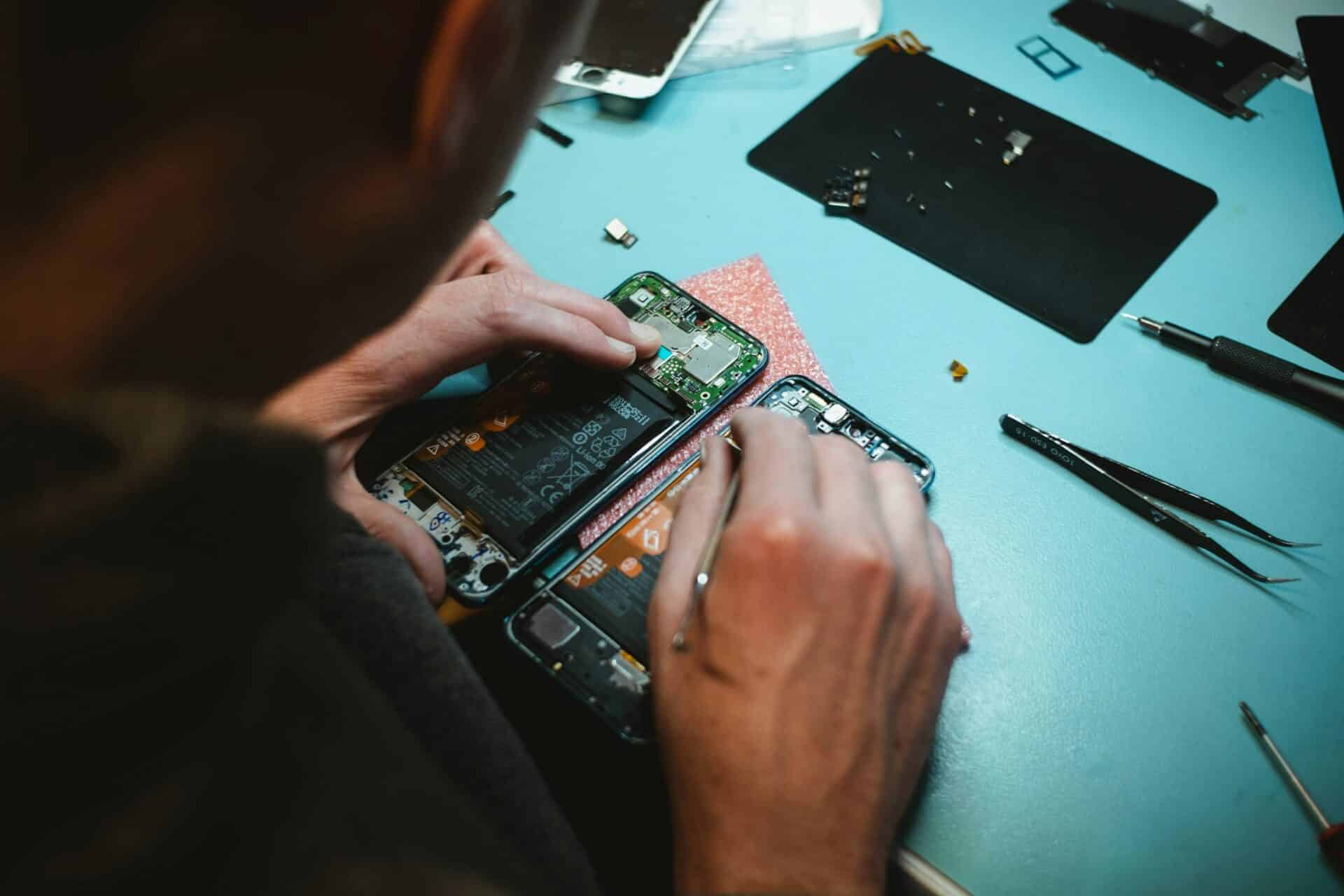
La réparation représente un changement important, passant d'une mentalité axée sur le jetable à une mentalité axée sur la réparation. Au lieu de jeter les appareils lorsqu'ils tombent en panne, choisir de les réparer et de prolonger leur durée de vie peut réduire les déchets. Leur donner une seconde vie grâce à la réparation, la rénovation ou la transformation, acheter d'occasion ou choisir de louer plutôt que d'acheter.
RECYCLAGE ET REVALORISATION
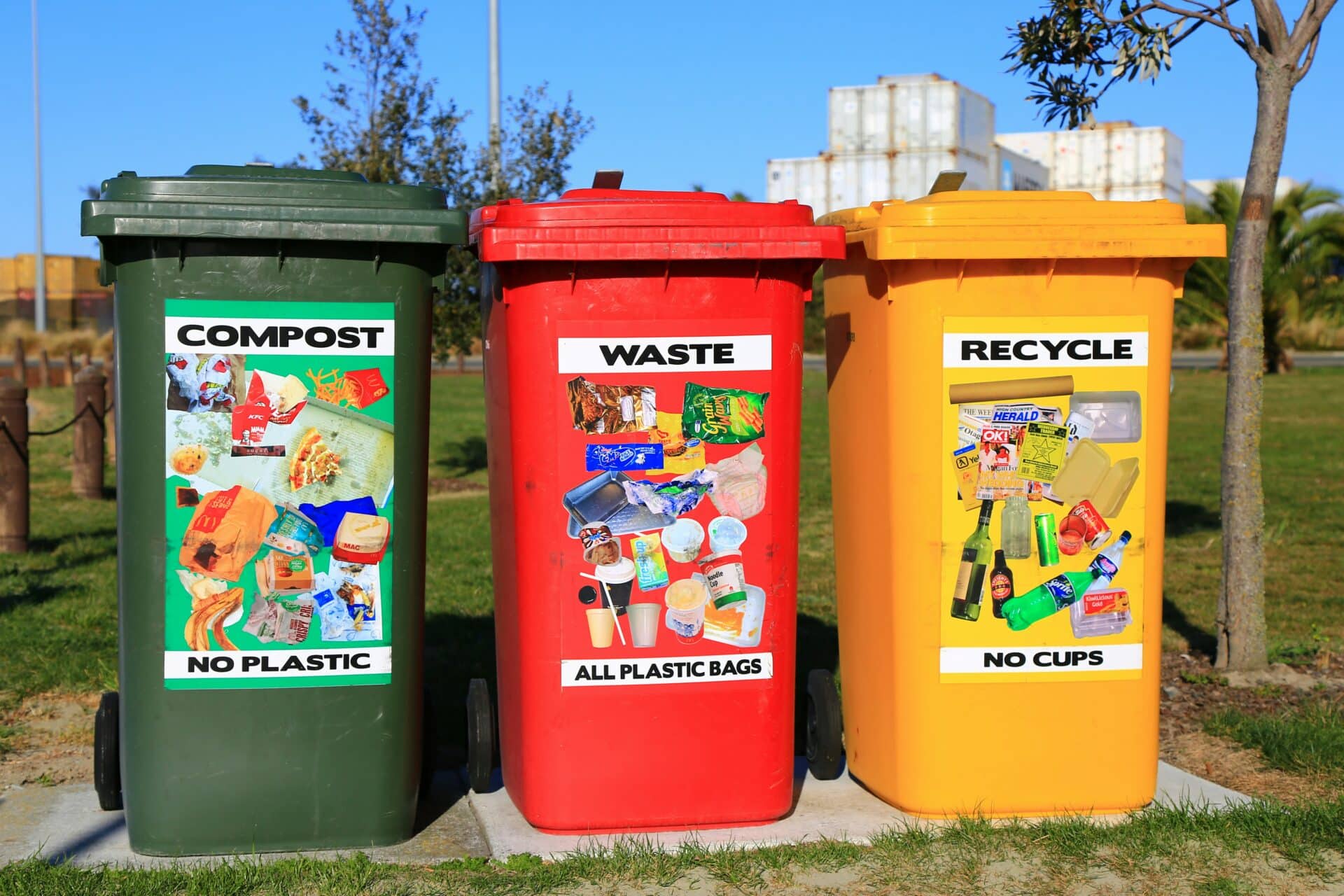
Le recyclage et la revalorisation devraient être le dernier recours des 5R. Un tri et un recyclage appropriés des déchets, notamment grâce à des centres de tri et des recycleurs plus efficaces, garantissent que les matériaux bénéficient d'une seconde vie au lieu de finir dans des décharges.
La revalorisation permet de transformer les déchets non recyclables en matières premières ou en énergie. Pour ce faire, il est possible d'encourager les technologies de valorisation énergétique telles que la digestion anaérobie et l'incinération des déchets, de soutenir les initiatives de compostage visant à valoriser les déchets organiques et de promouvoir la valorisation des déchets pour la fabrication de nouveaux produits ou matériaux.
Découvrez l'une des conférences de 2026 consacrées à l'économie circulaire
La collaboration stimule l'innovation
Cette session rassemble des dirigeants et des professionnels afin de montrer comment des solutions innovantes voient le jour lorsque l'expertise, les ressources et les responsabilités sont partagées. À travers des études de cas concrètes et intersectorielles, elle mettra en lumière les facteurs clés de réussite de la collaboration : une gouvernance claire, des incitations harmonisées, des ressources partagées et la confiance. Elle montrera également comment ces partenariats accélèrent l'expérimentation, le déploiement à grande échelle et l'obtention d'un impact mesurable.